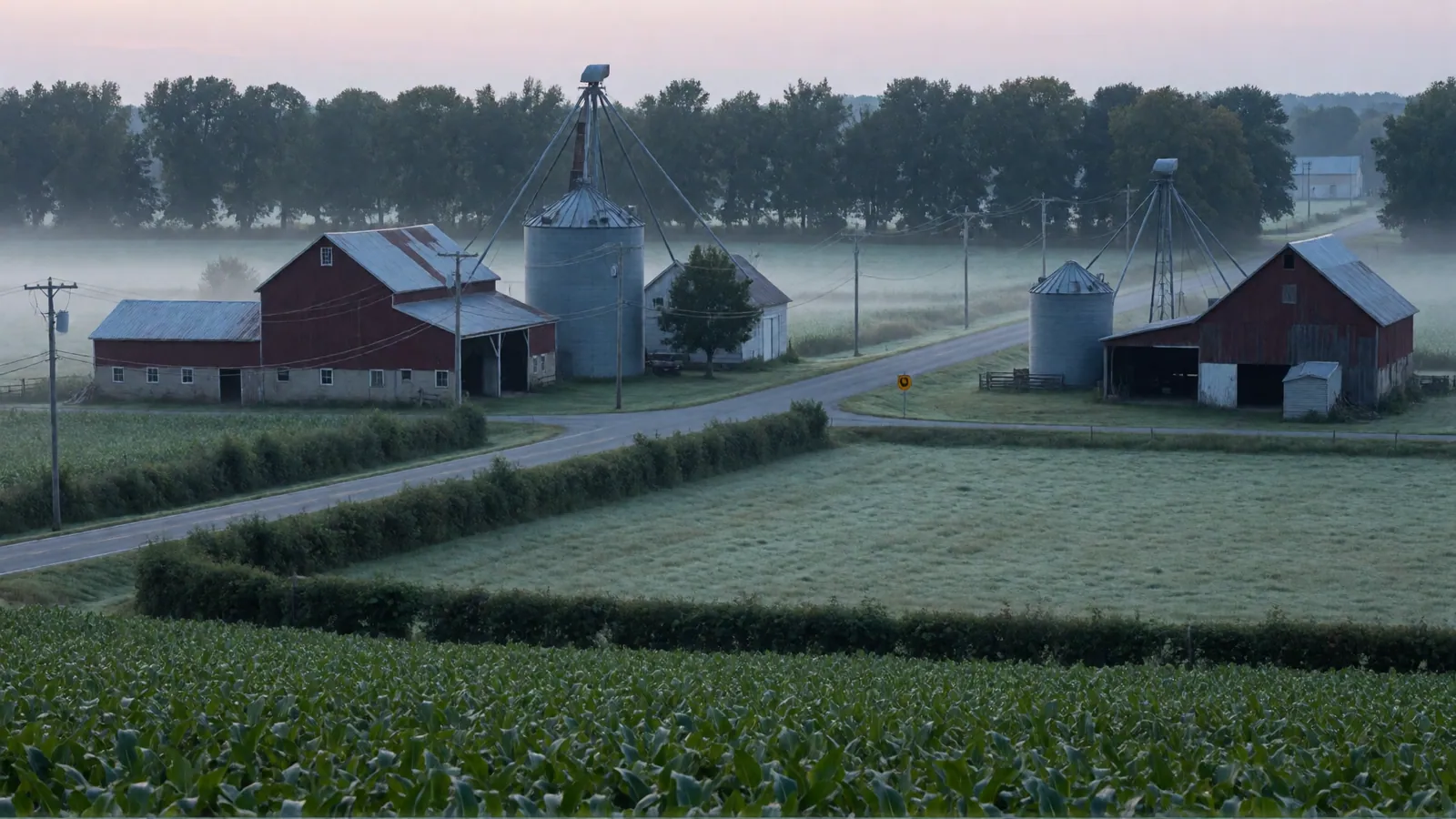
Arable and mixed farms
Everything is decided by a fortnight in August. The electrical work worth buying is the work done in February, and the callout is what happens when that did not get done.
000-000-0000 · closed Sundays
Seven kinds of customer
A workshop that serves everybody serves nobody. Each of these is named because there is a specific thing about it that changes what the work is and when it has to happen.
Everything is decided by a fortnight in August. The electrical work worth buying is the work done in February, and the callout is what happens when that did not get done.
The load runs all year and the environment is wet and corrosive. Loaders, feeders and yard equipment fail at the connectors long before they fail anywhere else.
Machines that work seven days a week for ten weeks and then stand. Vibration damage arrives quickly and rodent damage arrives during the standing.
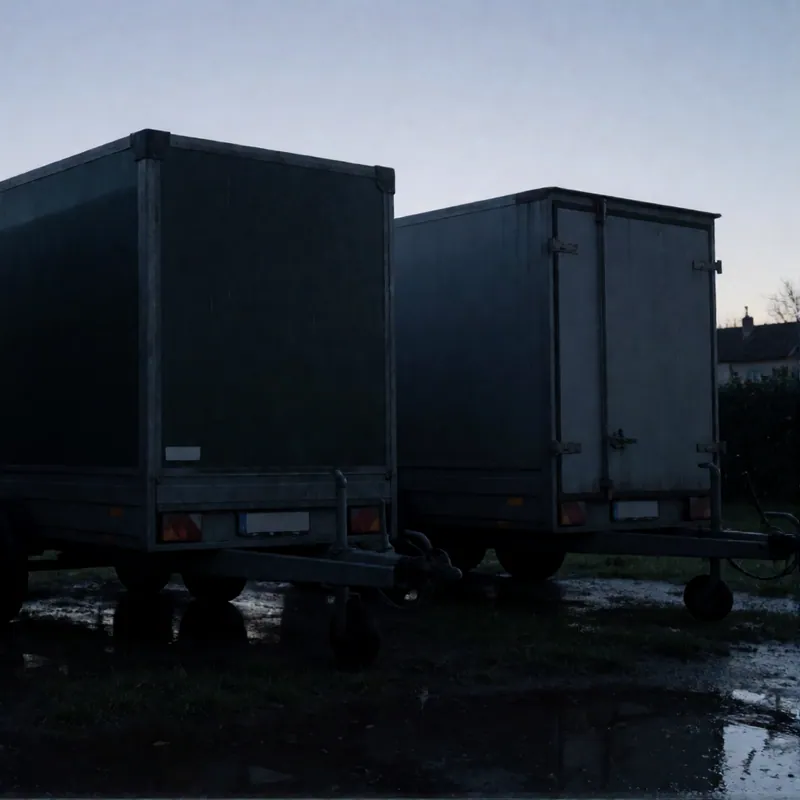
Downtime is the entire cost, so almost all of this is done in the yard. Twenty-four volt charging and trailer couplings are two thirds of it.
Vans full of added equipment, most of it fitted by whoever was cheapest. Auxiliary power and parasitic drain are the two recurring conversations.
Machines that different people operate and nobody owns the history of. The wiring has usually been repaired several times and never recorded.
Small engines, big harnesses, and a lot of added lighting and body controls. Seasonal, which means the pre-season check applies here as much as it does on a farm.
Every customer on that list owns something that stops earning the moment it stops moving. A combine in August, a tractor unit on a Monday, a van full of tools on a job that was booked three weeks ago. That is why so much of this work happens where the machine stands, why the after-hours rate exists and is published, and why the single most valuable thing on the rate card is the check bought in February.
It is also why nothing here is sold on a subscription. A machine that is looked at once a year before its season needs looking at once a year before its season, and a monthly plan for that would be selling somebody twelve of something they need one of.
A single vehicle owner who wants the cheapest possible fix is better served by a general garage, and we will say so. A large fleet wanting a contract with penalties and a service level agreement wants an organisation with more than five people in it. And anything under warranty belongs at its dealer first.
Worked examples

Arable farm, about nine hundred acres
The machine cut out at random and restarted after ten minutes.
An illustrative composite, not one job
Haulage, general freight
Three units in nine would not start on a Monday.
An illustrative composite, not one job
$145 a workshop hour · $185 on site · agreed before it starts
The symptom check takes about three minutes and gives you a written summary of which circuits would be tested first and why, with the hours and the published rate against each. It is an indicative scope and not a diagnosis — nobody has seen the vehicle — but it is a better opening than a blank contact form. If you would rather skip it, the telephone works.