$145 a workshop hour 000-000-0000

What the looking costs

The diagnostic hour

Every job starts with one hour of diagnosis, charged at the rate for where it happens. At the end of it you get what was measured and what it costs to put right, in writing, and you are free to take the vehicle away and have somebody else do the work.

  • $145 in the workshop
  • $185 where the vehicle stands
  • Agreed on the telephone before anybody starts

Why there is a charge for looking

Because somebody pays for it either way. A workshop that advertises free diagnosis has to recover that time somewhere, and the only place available is the parts it sells — which is why free diagnosis so reliably arrives with a part attached to it. Charging for the hour is what makes it possible to end the hour by saying that nothing needs replacing.

It is also the only arrangement under which the written note is worth anything. You have paid for a measurement, so the measurement is yours: you can take it to your own garage, to a dealer, or to the person who sold you the machine. About one job in eight leaves here as a sheet of paper and a vehicle that goes somewhere else, and that is a working outcome rather than a lost sale.

What the hour is actually spent on

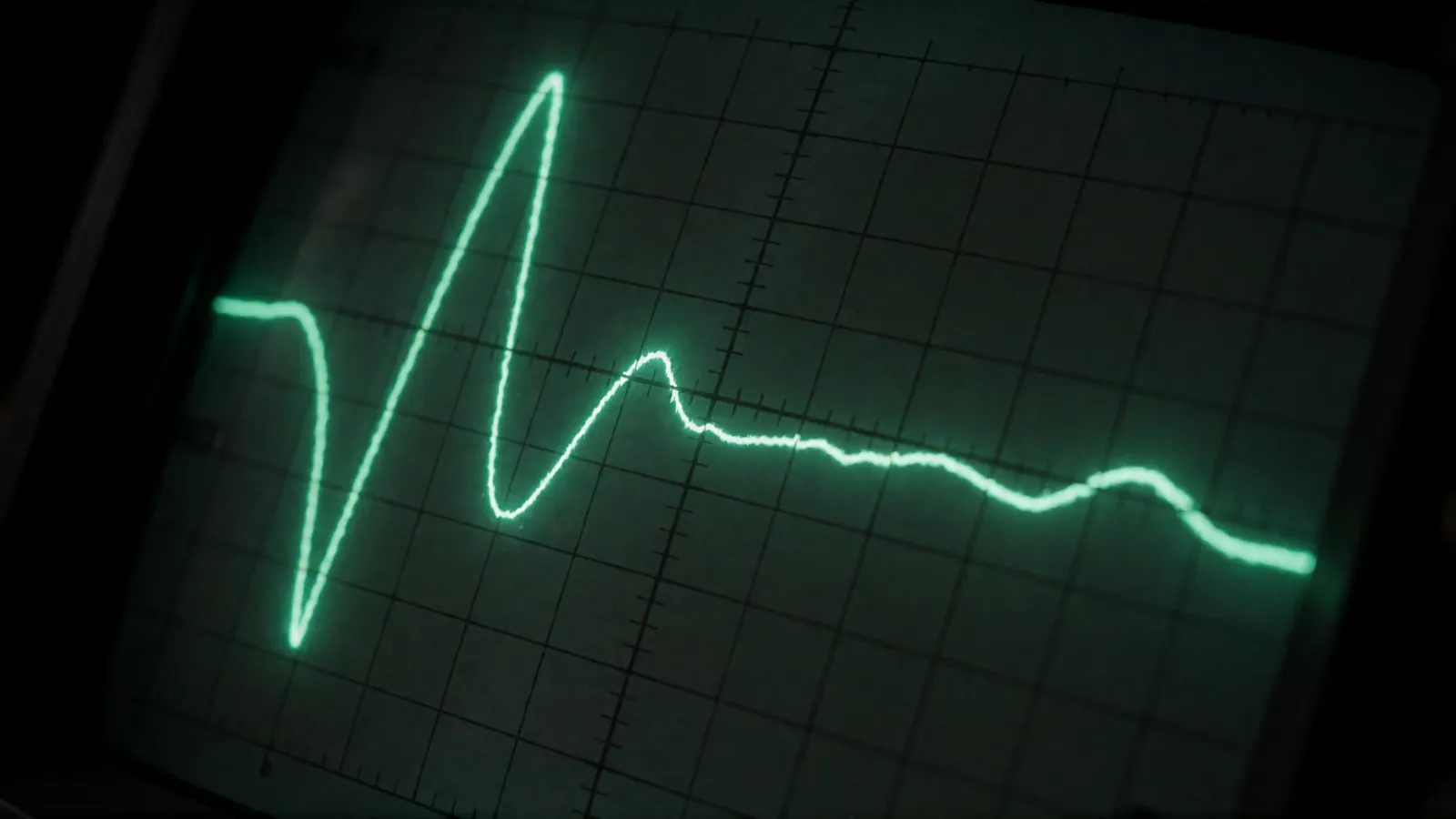
Not reading codes. Reading codes takes ninety seconds and tells you which circuit to start on, which is genuinely useful and is not a diagnosis. The hour goes on measurement: the supplies and the grounds of whatever the code points at, measured at the connector rather than at the battery; voltage drop along the whole path under load, because that is the only test that finds a bad connection which reads perfectly with nothing flowing; and a scope on any signal the live data disagrees with, while the engine is doing the thing it does.

On a truck or a machine in a yard it is the same hour with the equipment carried to it, which is what the difference between the two rates pays for.

Nothing on this website names a fault on your vehicle. Not the intake, not the articles and not the telephone. A fault named from a description is a guess, and the whole argument for this trade is that a measurement is not a guess.

The two rules that make it fair

Both of them cost us money, which is how you know they are real

Under fifteen minutes is free

If what we find takes less than fifteen minutes to put right, we put it right inside the hour and there is nothing further to pay.

A remade earth, a spread pin pushed back, a fuse in the right way round: these are found more often than anybody expects, and charging a second time for the ten minutes it takes to put one right would make the diagnostic hour feel like the beginning of a sales process.

No answer means no answer

If the hour ends without an answer, you are told that rather than sold a second hour. Carrying on is a decision you make, with what we have measured so far in front of you.

Some faults genuinely cannot be found in an hour, and the honest ones are the intermittent faults — the whole job there is provoking it, catching it and being instrumented in advance for the moment it arrives. That is a different piece of work with a different price on the rate card, and you buy it or you do not.

Where the hour goes next

The jobs a diagnostic hour most often turns into

Every one of these is on the rate card with its hours and its rate, so the second conversation is about a number that was already published.

Starting circuit diagnosis

$145 to $290

  • one to two hours, turnaround same day
  • workshop hour, $145

It will not turn over. Four components and about nine connections can each produce that, and they are separated by measurement rather than by replacement.

Where this sits

Parasitic drain test

$290 to $580

  • two to four hours, turnaround one to two days
  • workshop hour, $145

The battery that is flat on Monday morning. Slow, because the vehicle has to be left alone long enough for its modules to go to sleep before the reading means anything.

Where this sits

Harness and connector repair

$145 to $580

  • one to four hours, turnaround same day
  • workshop hour, $145

A chafed section, a corroded connector, a pin that has backed out, or a previous repair that was made with the wrong thing.

Where this sits

CAN and LIN network diagnosis

$290 to $725

  • two to five hours, turnaround one to three days
  • workshop hour, $145

Several warning lights at once, modules that will not answer, or a diagnostic tool that cannot reach half the vehicle. That is usually one fault, not a dozen.

Where this sits

Bench assessment of a control unit

$125

  • one hour, turnaround two to four days
  • bench hour, $125

One bench hour to open a unit, find out whether it is repairable, and say so. It comes off the repair if you go ahead, and it is all you pay if the answer is no.

Where this sits

Intermittent fault investigation

$290 to $870

  • two to six hours, turnaround two to five days
  • workshop hour, $145

The fault that will not happen while anybody is watching. Charged differently because it is a different job: the work is provoking it, catching it, and being set up in advance to record the moment it arrives.

Where this sits

How that figure is arrived at

  • Workshop hour× two$290
  • The same rate, at the long end× six$870
  • Parts, if any are neededcost + 20%separate
  • Labour for this jobtwo to six hours$290 to $870

The workshop hour is $145 and it is on the rates page. That multiplication is the whole of the labour charge: no callout fee on top of it, no shop supplies percentage and no environmental levy. It is the cost of the work — it is not a quotation for a vehicle nobody has seen.

Questions

What does it cost to find out what is wrong?

One hour, charged at the rate for where it happens: $145 in the workshop, $185 on site, $125 on the bench for a control unit. That hour is measurement rather than guessing, and at the end of it you get what was measured and what it would cost to put right, in writing. If the fix takes under fifteen minutes it happens inside the hour and there is nothing more to pay.

Why do you charge for diagnosis when the garage down the road does not?

Because somebody pays for it either way. A workshop that does not charge for looking has to recover the time in the parts it sells, which is why free diagnosis so often arrives with a part attached to it. The hour is published, and you can take the written result somewhere else.

Can you tell me what is wrong over the telephone?

No, and neither can anybody else. We can tell you whether it sounds like a workshop job or a callout, roughly how long the first hour usually takes on that sort of fault, and occasionally that it is something you can check yourself in five minutes. Naming a part down a telephone is guessing with a confident voice.

What if you cannot find it?

You are told that at the end of the hour rather than sold a second one. Some faults need a recorder left on the vehicle and several days of it happening again, and that is a different job with a different price, which you decide to buy or not.

One hour · $145 here · $185 where it stands

Describe the symptom, or just telephone

The symptom check takes about three minutes and gives you a written summary of which circuits would be tested first and why, with the hours and the published rate against each. It is an indicative scope and not a diagnosis — nobody has seen the vehicle — but it is a better opening than a blank contact form. If you would rather skip it, the telephone works.