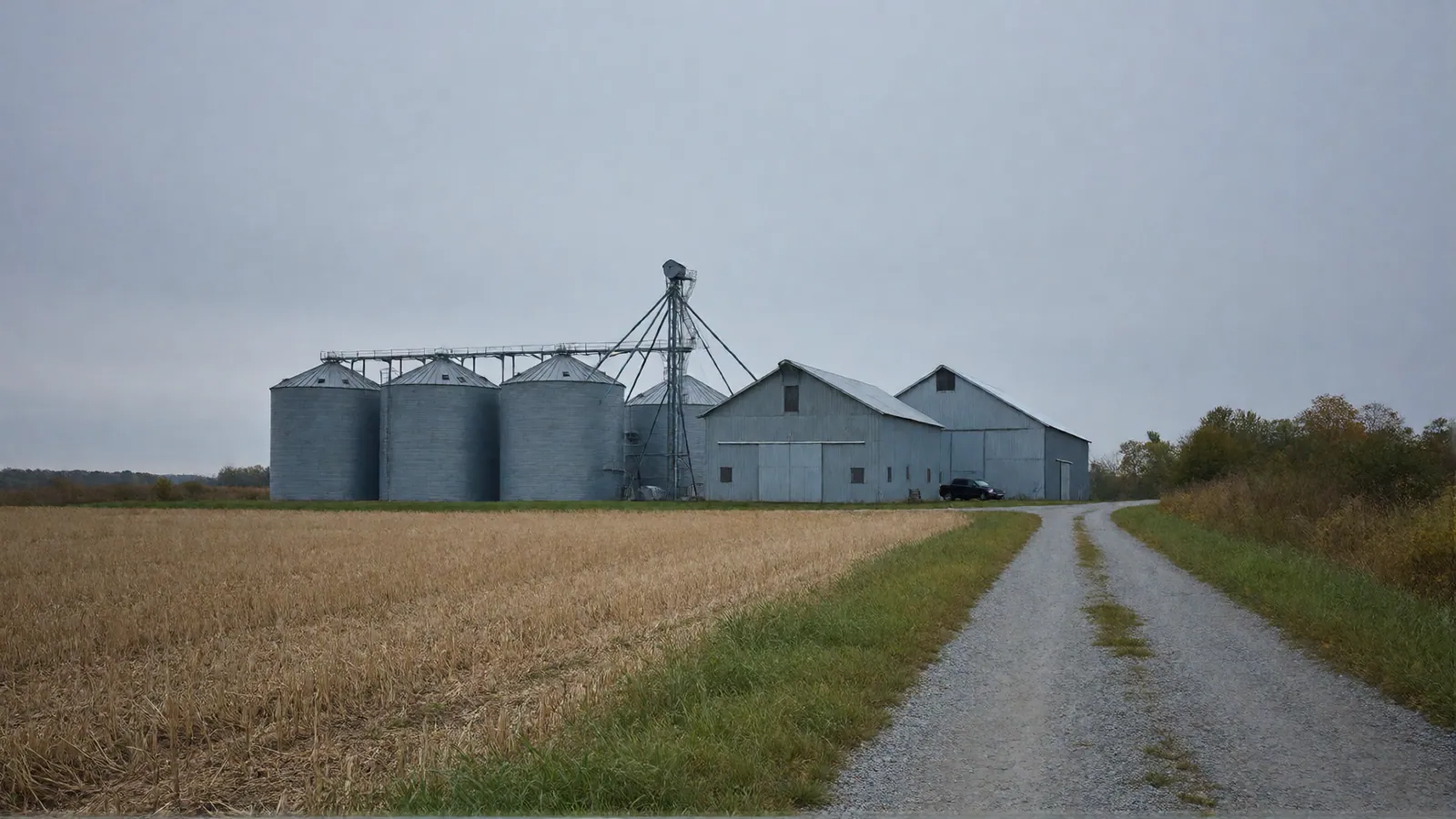
The imagery, declared
How these pictures were made
Every photograph on this website was generated rather than taken. There is no workshop on Hatfield Lane, the yards and fields are not real places, and the five people on the team page are not photographs of anybody. No vehicle manufacturer, tool maker or equipment brand appears in any of them, which is a constraint on the pictures as much as on the words.
Three constraints, and the third is specific to this trade
The first two are the ordinary ones. No customer appears in any image, because a photorealistic stranger presented as somebody who paid for this work is the closest a demonstration site can get to a fabricated endorsement. And nothing in any frame carries lettering, because a generated sign says whatever the model felt like.
The third is the one that made this set harder than most: a brand can be implied by a shape with no letters in it at all. A tractor in a particular green is a manufacturer. A combine in a particular red is a manufacturer. A grille is a manufacturer before it is a grille. An instruction not to draw a badge loses to a silhouette that means one.
So there is not one complete vehicle on this website
Not one. The engine bay photographs are cropped inside the bay with no bodywork in them. The truck pictures are taken along a chassis rail from underneath. The trailers are flat dark shapes at blue hour. The combine appears exactly once and it is a black silhouette against a dusk sky with no detail, no colour and no maker's line anywhere in it.
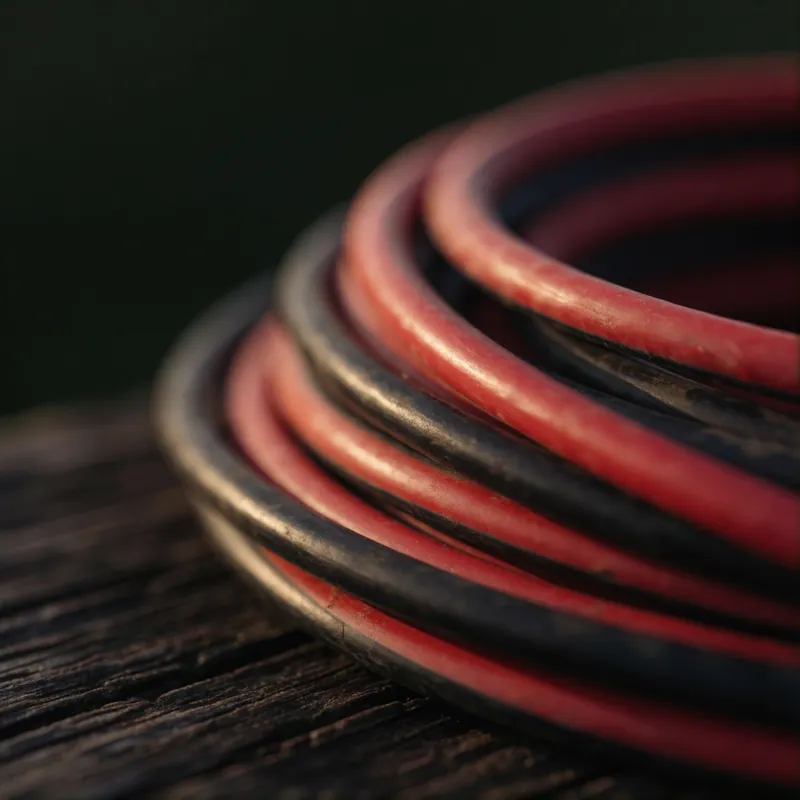
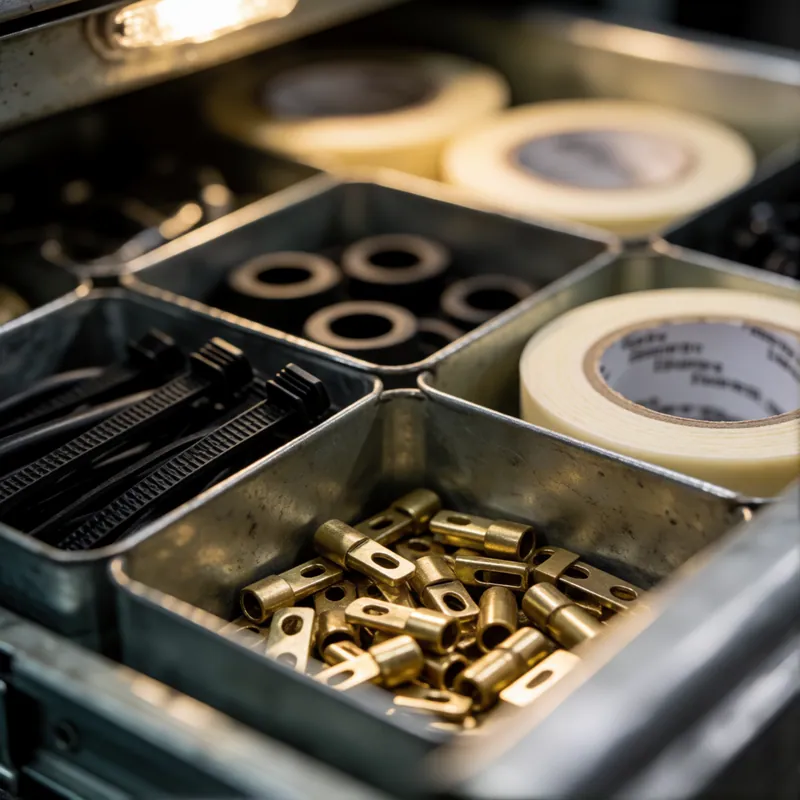
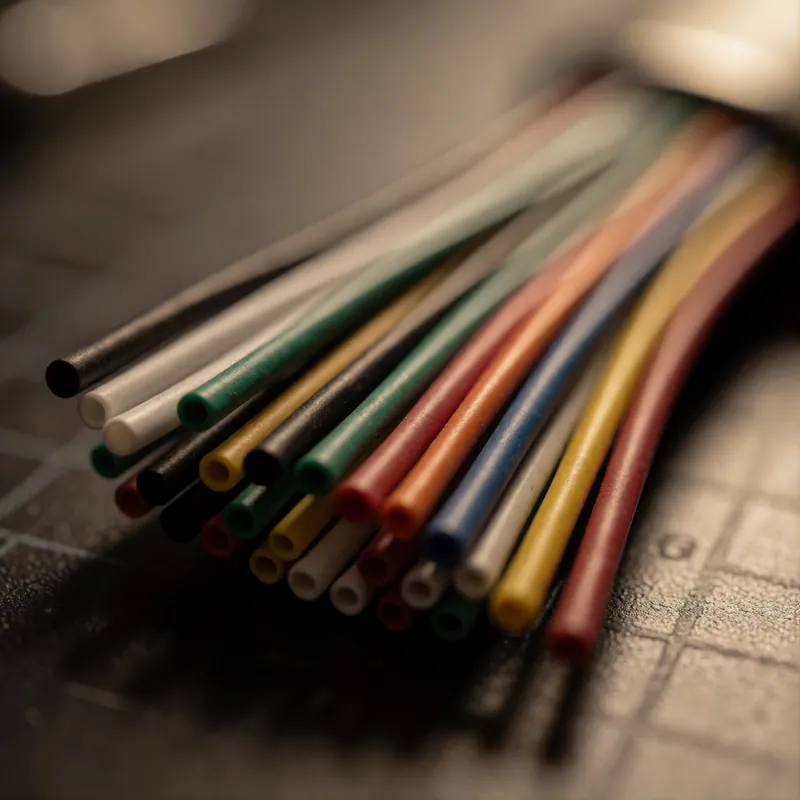
On an auto electrician's website that is a decision rather than an accident, and it turned out to suit the subject: this trade's actual work is a connector, a trace, a bench and a loom, and photographing those is more honest than photographing a car somebody else made.
And no tool has a name on it
Every tool in every frame is specified plain. Where an instrument would have had to be legible — a meter, a scope, a diagnostic tool — the instrument is out of the frame and only the leads, the probes and the connector are in it. The first version of the diagnosis photograph came back with a breakout box covered in printing on it, and it was re-shot rather than accepted.
A circuit board is the hardest case, because a board without printing is not a board. Every board here is shot in extreme macro with a plane of focus a few millimetres deep, so the printing that exists is a smear rather than a part number.
The people
five faces, and none of them is a photograph of anybody. They exist so the team page is not five grey circles, and their names, their histories and their years in the trade are invented like everything else here.
Every photograph on this website was generated rather than taken. There is no workshop on Hatfield Lane, the yards and fields are not real places, and the five people on the team page are not photographs of anybody. No vehicle manufacturer, tool maker or equipment brand appears in any of them, which is a constraint on the pictures as much as on the words.
This is a demonstration website. Woodside Auto & Ag Electric is not a real business, an enquiry sent from this site reaches only a demonstration mailbox, not a workshop, and the telephone number is a placeholder. It was built to show what a small specialist workshop gets for a fixed price.

$145 a workshop hour · $185 on site · agreed before it starts
Describe the symptom, or just telephone
The symptom check takes about three minutes and gives you a written summary of which circuits would be tested first and why, with the hours and the published rate against each. It is an indicative scope and not a diagnosis — nobody has seen the vehicle — but it is a better opening than a blank contact form. If you would rather skip it, the telephone works.