24 June 2026 · about nine minutes
Rodent damage, and why it happens to the machine that stands still
It is not bad luck and it is not random. Nine months in a dry shed is exactly the habitat, and the things worth doing about it between harvest and spring cost almost nothing.
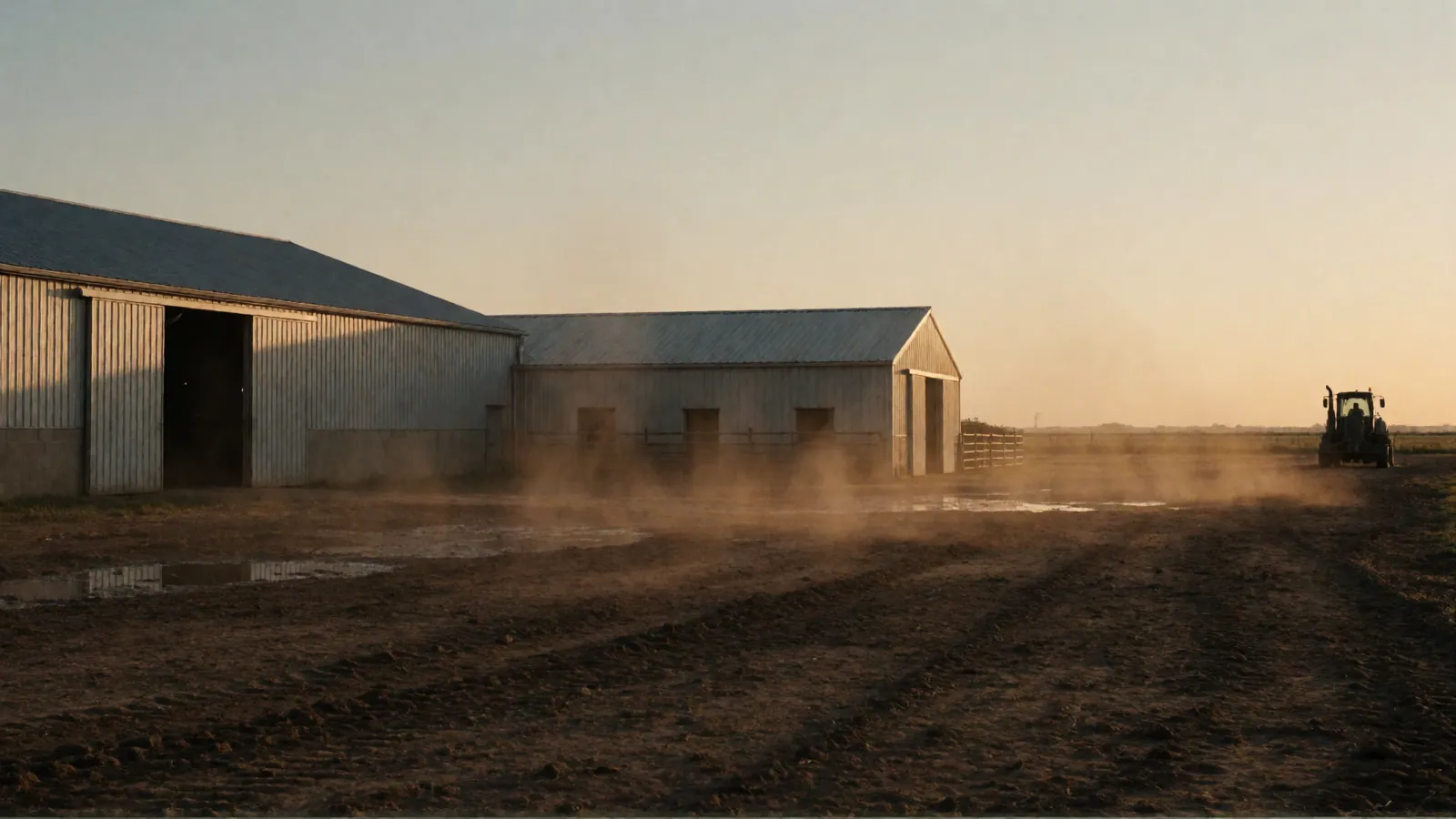
It is not bad luck, it is not random, and it is not a problem that happens to careless people. A machine that stands still for nine months in a dry building is, from a mouse's point of view, a heated shelter full of bedding material with nobody in it.
Why the wiring specifically
Three things come together. Insulation is soft, chewable and exactly the right size to shred for a nest. A loom is a warm, enclosed, protected run — the safest corridor in the building. And rodents gnaw constantly because their teeth do not stop growing, so they are not eating the cable, they are wearing their teeth down on it.
There is a fourth factor that is more recent and it is worth knowing about: a good deal of modern wire insulation is made with plant-derived plasticisers rather than the older petroleum ones. Whether that makes it actively attractive is argued about, and it certainly does not make it less so. Either way the practical consequence is the same, and it is worse in machinery that stands than in machinery that moves.
Why the damage is never one wire
Because it is a nest, not a bite. By the time anybody notices, the animal has been living in the loom for weeks and has taken insulation from wherever it was convenient across a length of it. The count is not knowable until the loom is opened along its run, which is why an estimate before that is described as a guess — and why this is the one job on the rate card with an hour range wide enough to look alarming.
It is also why the damage is not always where the symptom is. Conductors shorted together inside a bundle produce faults on circuits that have nothing to do with each other, and a machine that suddenly has six unrelated warnings is usually one nest rather than six faults.
What to do in the autumn, which costs almost nothing
- Clear the grain, chaff and straw out of the machine before it is parked. That is the food, and without the food the shelter is much less interesting.
- Leave the cab and any engine covers open rather than closed. Enclosed dark spaces are the attraction; an open machine is a worse house.
- Do not park it against a wall of stored straw or feed. What is next to the machine matters more than what is in it.
- Start it and move it every few weeks over the winter. Machinery in use is machinery nothing nests in, and it does the batteries good as well.
- Look, in January. Nesting material in a loom run, droppings on a step or shredded insulation under a machine is a cheap repair now and a lost day in August.
Why it should be found in February
The arithmetic is not close. Rodent damage found in the quiet season is a morning's work, done properly, with the loom opened and every conductor identified and repaired. The same damage found on the second day of harvest is an evening callout at the after-hours rate, a repair done under a light in a field, and a machine standing still while the weather turns.
That is most of the argument for the pre-season check, and it is the single most useful thing this workshop sells.
What this article cannot tell you
How much of it there is in your machine. Nobody knows that until the loom is opened, including us, and any number given before that hour is a guess described as one.
Nothing on this website names a fault on your vehicle. Not the intake, not the articles and not the telephone. A fault named from a description is a guess, and the whole argument for this trade is that a measurement is not a guess.
More of the same
The other three

A fault code is not a diagnosis
The code names a circuit and a symptom. It has never named a part, and the difference between those two things is most of what an auto electrician is for.
18 March 2026 · about nine minutes to read

Why the battery is flat on Monday morning
A vehicle that starts all week and not on Monday is being emptied rather than not being filled. Here is how a parasitic drain is actually measured, and why pulling fuses to find one does not work.
22 April 2026 · about ten minutes to read
The good reading that hides a bad circuit
A connection can read twelve and a half volts with a meter on it and still be the reason nothing works. Voltage drop testing takes twenty minutes, finds it, and is skipped almost everywhere.
27 May 2026 · about eight minutes to read
$145 a workshop hour · $185 on site · agreed before it starts
Describe the symptom, or just telephone
The symptom check takes about three minutes and gives you a written summary of which circuits would be tested first and why, with the hours and the published rate against each. It is an indicative scope and not a diagnosis — nobody has seen the vehicle — but it is a better opening than a blank contact form. If you would rather skip it, the telephone works.