$145 a workshop hour 000-000-0000

What we do

Control modules and board-level repair

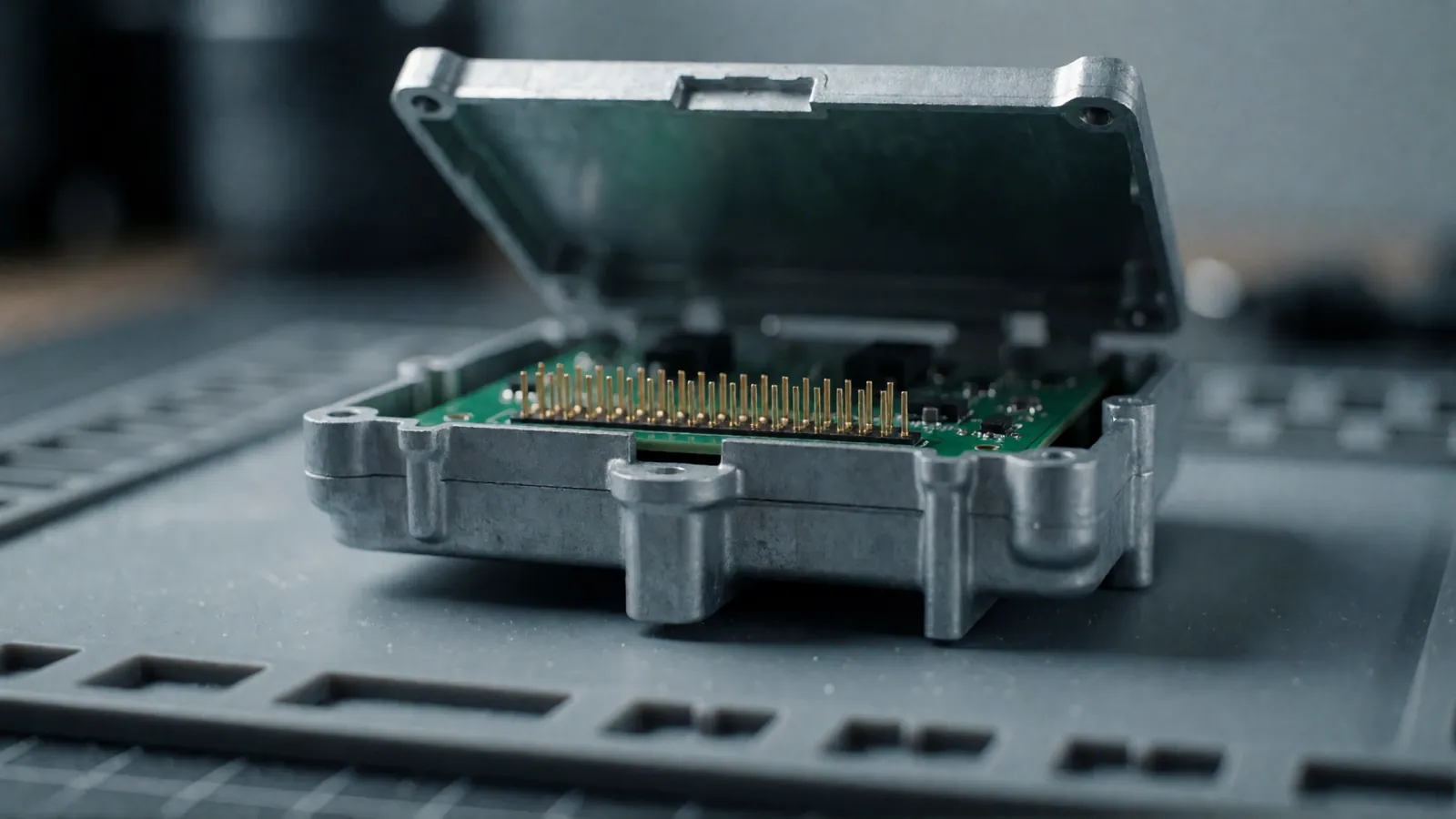
The unit most shops only replace, opened on a bench and repaired at component level — which also means it keeps the programming it already has.

  • three jobs on the rate card
  • Labour from $125
  • one to six hours

“The dealer says the module is not available any more.”

This is the part almost nobody in the trade offers, and it is the reason a machine that a dealer has written off is often a two-hundred-dollar job. Most shops replace a control unit because opening one is a different trade — surface-mount soldering under a microscope, not vehicle work. A replacement is several hundred dollars plus the programming, and on an older machine there may be no replacement to buy at any price.

Nothing gets opened before the supplies and the grounds reaching the unit have been measured at its own connector, because a unit that appears dead is very often a unit that is not being fed, and a large share of the modules sent away for repair are innocent. When the unit is genuinely at fault, most of them fail in a small number of ways: cracked solder joints where a heavy component has been shaken for a decade, corrosion where water tracked down the harness into the header, a failed voltage regulator or output driver stage, and swollen electrolytic capacitors. All of those are repairable on a bench with the right equipment. And the repaired unit keeps the programming it already has, which on a vehicle that can no longer be coded is not a saving, it is the difference between the machine working and not.

What would actually be measured

In roughly this order, and none of it names a part

  • The supplies and the grounds at the unit's own connector, on the vehicle, before anything comes off
  • The unit opened and run on a bench supply under the conditions that produced the fault
  • The power supply stage first, because that is where the electricity comes in and where most of them fail
  • Output driver stages, checked under load rather than by resistance
  • The header pins and the tracks behind them, under a microscope, wherever water has been near
  • Whether the repair is economic, which is a real question and sometimes has the answer no

The jobs

What you can buy, and what the labour costs

Hours are chargeable hours. The figure is the published rate for where the work happens multiplied by those hours, and there is nothing else in it — parts are separate and are at cost plus 20 per cent with both numbers on the invoice.

Control modules and board-level repair. Hours are chargeable hours. The figure is the published rate for where the work happens, multiplied by the hours, and there is nothing else in it — parts are separate and are at cost plus 20 per cent with both numbers on the invoice.
JobHoursWhereLabour
Bench assessment of a control unit one hour bench $125
Component-level board repair two to six hours bench $250 to $750
Module connector and pin repair one to three hours bench $125 to $375

Bench assessment of a control unit

$125

One bench hour to open a unit, find out whether it is repairable, and say so. It comes off the repair if you go ahead, and it is all you pay if the answer is no.

  • one hour, turnaround two to four days
  • bench hour, $125, bench

The first hour: Opening it, powering it on the bench, and looking for the failure at the point where the electricity comes in. A large share of them are visible under a microscope in twenty minutes.

What you are left holding: A written answer: repairable, repairable but not economic, or not repairable — with the reason, and photographs of the board.


Component-level board repair

$250 to $750

Cracked joints, corrosion, a failed regulator or driver stage, swollen capacitors, damaged pins. The unit keeps the programming it already has, which is the part that saves the money.

  • two to six hours, turnaround three to seven days
  • bench hour, $125, bench

The first hour: Confirming the fault on the bench under the same conditions that produced it in the vehicle, because a unit that behaves on a bench supply is telling you the fault is somewhere else.

What you are left holding: The repaired unit, bench-tested under load before it goes back, and a written note of what was replaced.

Module connector and pin repair

$125 to $375

Where water has tracked down a harness into a plug, the damage is usually at the pins rather than in the electronics behind them.

  • one to three hours, turnaround two to four days
  • bench hour, $125, bench

The first hour: Cleaning and inspecting the header under the microscope, and testing whether the tracks behind it survived.

What you are left holding: Rebuilt pins and header, tested for continuity and for insertion force, with photographs before and after.

How that figure is arrived at

  • Bench hour× one$125
  • There is no long end — this one is a fixed hour——
  • Parts, if any are neededcost + 20%separate
  • Labour for this jobone hour$125

The bench hour is $125 and it is on the rates page. That multiplication is the whole of the labour charge: no callout fee on top of it, no shop supplies percentage and no environmental levy. It is the cost of the work — it is not a quotation for a vehicle nobody has seen.

Where this stops

What this is not

Not everything is repairable and this page will not pretend otherwise. A failed custom processor with firmware nobody can supply, a multilayer board that has been physically destroyed, and a fully potted unit are three things that end in a written no. So is a unit that can only be coded to the vehicle through a manufacturer's own online system for a make we have no account with — and you are told that at the start rather than at the end.

Everything we do not do, and who we send you to

A closed workshop roller shutter in flat daylight

A worked example

The module the dealer said was no longer available

Agricultural contractor · One self-propelled machine, fourteen years old

A control unit had stopped driving one section of the machine. The unit was obsolete, no replacement was available new, and the used ones offered would each have needed programming the machine could no longer receive.

What we did: The supplies and grounds reaching the unit were measured first, on the machine, to establish that the unit was genuinely at fault. Then a bench assessment, then component-level repair. One bench hour plus four.

The whole example

Every case study on this site is an illustrative composite assembled from several jobs. No customer is named, no vehicle is identifiable, and there is not a single testimonial on this website attributed to a person — a fabricated one would be the one genuinely dishonest thing a workshop's website can do.

Agricultural contractor

Worth reading first

Repair or replace: what actually happens inside a control unit

Most shops replace a module because opening one is a different trade. What is inside, which failures are repairable, which are not, and why a repaired unit keeps the programming a replacement would need.

Questions

What does it cost to find out what is wrong?

One hour, charged at the rate for where it happens: $145 in the workshop, $185 on site, $125 on the bench for a control unit. That hour is measurement rather than guessing, and at the end of it you get what was measured and what it would cost to put right, in writing. If the fix takes under fifteen minutes it happens inside the hour and there is nothing more to pay.

The dealer says the module is not available. Is that the end of it?

Often not. A bench assessment is one hour and it answers three ways: repairable, repairable but not worth it, or not repairable — with the reason and photographs. A repaired unit also keeps the programming it already has, which is frequently the part that makes the difference on an older machine.

How do you charge for parts?

At what they cost us plus twenty per cent, and the invoice shows both numbers. We take no rebate, commission or bonus from any supplier for fitting one brand rather than another.

Do you guarantee the work?

Any repair we made that fails within thirty days is looked at again without another diagnostic charge. That covers what we did. It is not a warranty on the rest of the vehicle, and a workshop that offers one of those is offering something it cannot pay for.

Control modules and board-level repair · labour from $125

Describe the symptom, or telephone

The symptom check takes about three minutes and gives you a written summary of which circuits would be tested first and why, with the hours and the published rate against each. It is an indicative scope and not a diagnosis — nobody has seen the vehicle — but it is a better opening than a blank contact form. If you would rather skip it, the telephone works.