18 March 2026 · about nine minutes
A fault code is not a diagnosis
The code names a circuit and a symptom. It has never named a part, and the difference between those two things is most of what an auto electrician is for.
Somebody plugs a reader into your vehicle, reads out a code, looks up its description, and tells you which part you need. That sequence is so normal that it is worth stating plainly what is wrong with it: the description of a code is not a description of a fault. It is a description of a TEST that the vehicle's own software ran and did not like.
What a stored code actually means
A control unit watches a circuit. It knows what range that circuit's signal should sit in under the conditions it can see, and when the signal sits outside that range for long enough it stores a code and, usually, a snapshot of what else was happening at that moment.
So a code says: the signal on this line was not what I expected. It does not say why, and it has never said which component. The distinction is not academic, because the same code is produced by at least five different things:
- The sensor itself has failed and is reporting nonsense
- The sensor is fine but its supply voltage is sagging, so its output is wrong in proportion
- The sensor's ground has gone high-resistance, which does the same thing in the other direction
- The wiring between them has a break, a chafe or a bad connection
- The control unit's own input stage is not reading it correctly
Those are five different repairs at five very different prices, and only one of them is the part named in the code description.
Why the guess is so often the sensor
Because it is the cheapest thing to try, it is the thing the description names, and about a third of the time it works — which is exactly enough success to keep the habit alive. The other two thirds arrive somewhere like this with a new sensor already fitted and the same code stored.
There is a second reason and it is structural. A shop that does not charge for diagnosis has to make the time back on the part, and the fastest route from a code to a part is to believe the description. Free diagnosis and parts-changing are the same policy seen from two ends.
What the code is genuinely good for
A great deal. It names the circuit, which is where to start, and the snapshot stored with it is often the most useful thing on the vehicle: engine speed, load, temperature and road speed at the moment the fault was recorded. A fault that only ever appears at low speed with the engine hot is a different investigation from one that appears from cold, and the freeze frame is what tells you which you have.
The number of codes matters too. One code on one circuit is a circuit problem. Fifteen codes across nine modules at once is almost never fifteen faults — it is a supply, a ground or a communication problem, and chasing them one at a time is a week nobody gets back.
What replaces the guess
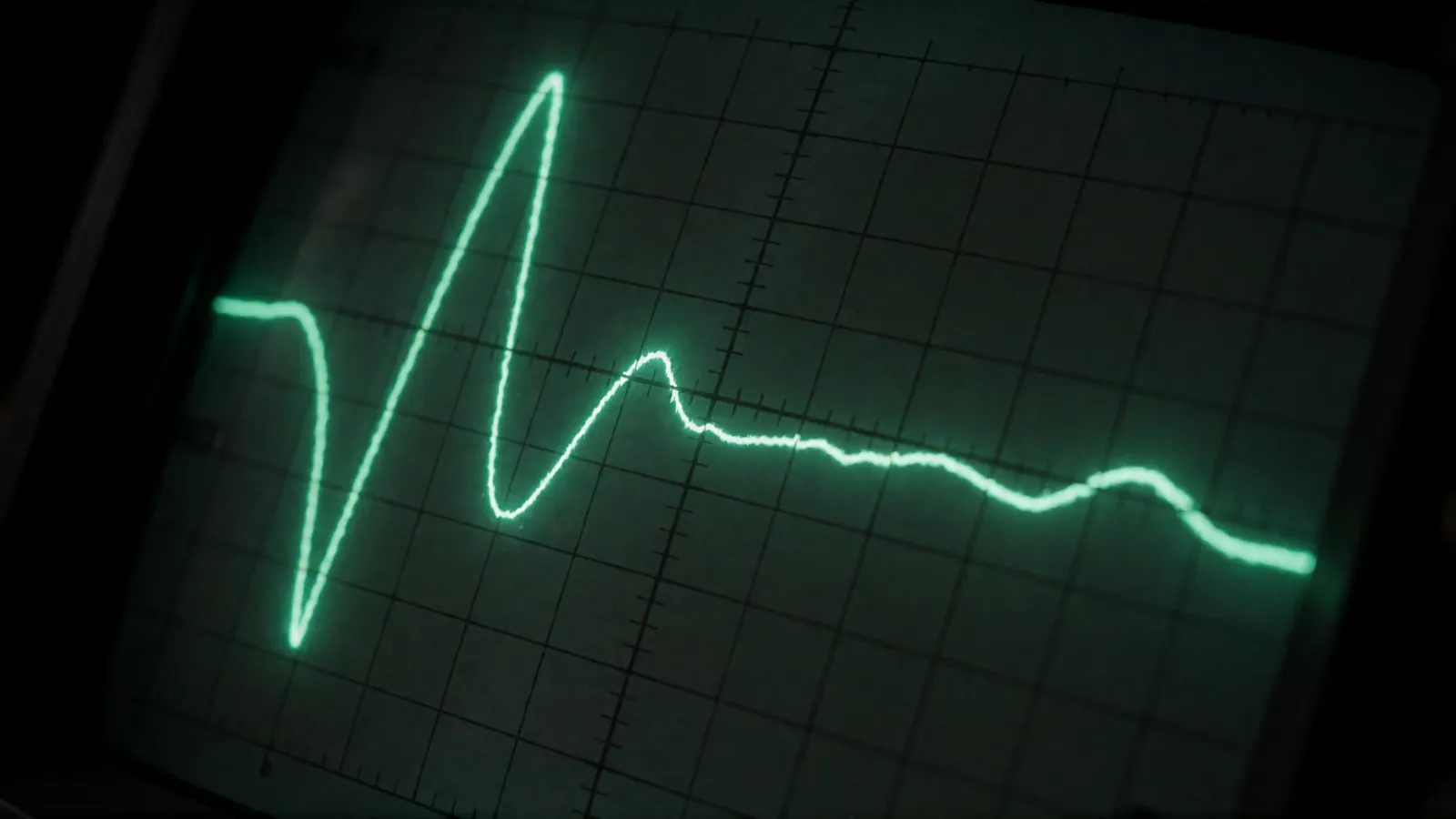
Three measurements, in this order. The supply and the ground reaching the component, measured at its own connector rather than at the battery. The voltage lost along that path with current actually flowing, because a connection that reads perfectly at rest can collapse under load. And then a scope on the signal itself while the fault is present, because a sensor reading nonsense and a sensor being fed badly produce identical numbers in the data and look nothing alike on a trace.
That is roughly an hour on most vehicles, and at the end of it there is a written answer with readings on it rather than a part number and a hope.
What this article cannot tell you
Which of the five it is on your vehicle. That needs a meter on the circuit, and anybody who tells you otherwise from a code and a description is guessing with a confident voice.
Nothing on this website names a fault on your vehicle. Not the intake, not the articles and not the telephone. A fault named from a description is a guess, and the whole argument for this trade is that a measurement is not a guess.
More of the same
The other three

Why the battery is flat on Monday morning
A vehicle that starts all week and not on Monday is being emptied rather than not being filled. Here is how a parasitic drain is actually measured, and why pulling fuses to find one does not work.
22 April 2026 · about ten minutes to read
The good reading that hides a bad circuit
A connection can read twelve and a half volts with a meter on it and still be the reason nothing works. Voltage drop testing takes twenty minutes, finds it, and is skipped almost everywhere.
27 May 2026 · about eight minutes to read

Rodent damage, and why it happens to the machine that stands still
It is not bad luck and it is not random. Nine months in a dry shed is exactly the habitat, and the things worth doing about it between harvest and spring cost almost nothing.
24 June 2026 · about nine minutes to read
$145 a workshop hour · $185 on site · agreed before it starts
Describe the symptom, or just telephone
The symptom check takes about three minutes and gives you a written summary of which circuits would be tested first and why, with the hours and the published rate against each. It is an indicative scope and not a diagnosis — nobody has seen the vehicle — but it is a better opening than a blank contact form. If you would rather skip it, the telephone works.